
1. The Magic Question: “What if?”
If there’s one question every creative should ask regularly, it’s: “What if?”
Simple, open-ended, and powerful.
This question is the spark for fresh ideas, pushing you beyond everyday thinking and into the realm of imagination and innovation.
As a designer and sketch artist, I constantly use “What if” to challenge the impossible and explore unexpected associations. It’s not just a mental exercise—it’s a mindset that turns dreams into starting points for real design solutions.
2. How “What If” Transforms Your Idea Exploration
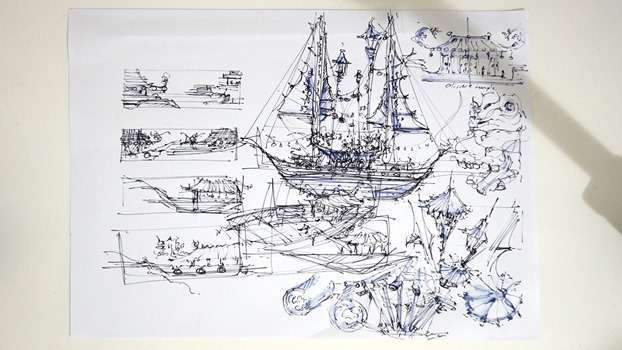
I’ve seen how this question shapes fields like concept art, sci-fi movies, and product innovation. By asking, for example:
More Inspiring “What If” Examples
- Transportation: What if we could travel between countries through an underwater tunnel? Unlike planes or boats, this tunnel wouldn’t be affected by storms or climate issues.
- Logistics: What if drones could deliver packages directly to your door, making shipping faster and greener? (Think Amazon’s futuristic visions.)
- Communication: What if shaking hands could instantly exchange complex information—contracts, IDs, or even secrets—wirelessly and securely?
- Fashion: What if our clothes could change their properties based on the weather or body temperature? Imagine hiking gear that adapts to your needs.
- Concept Art: What if people could be identified by their retina scans in public areas for payments or security? (The idea behind Minority Report.)
- Product Design: What if we could type or draw without using our hands—maybe just by thinking? Science is making strides toward brain-computer interfaces that could make this a reality.
- Video Games: What if a plumber could throw fireballs at dragons to rescue a princess? (You might know this story well, but wondering how it was imagined is part of the fun!)
- Environment: What if every step taken by millions in a city could generate clean energy?
Each of these “What if” seeds open up a new creative world, nurturing ideas that can grow into incredible concepts or products.
3. Why Designers Need to Embrace “What If” Thinking
Design is about imagining future possibilities and making them tangible. “What if” unleashes your creativity by breaking down mental barriers. It lets you envision solutions that don’t exist yet and encourages bold experimentation—essential skills for any innovative designer.
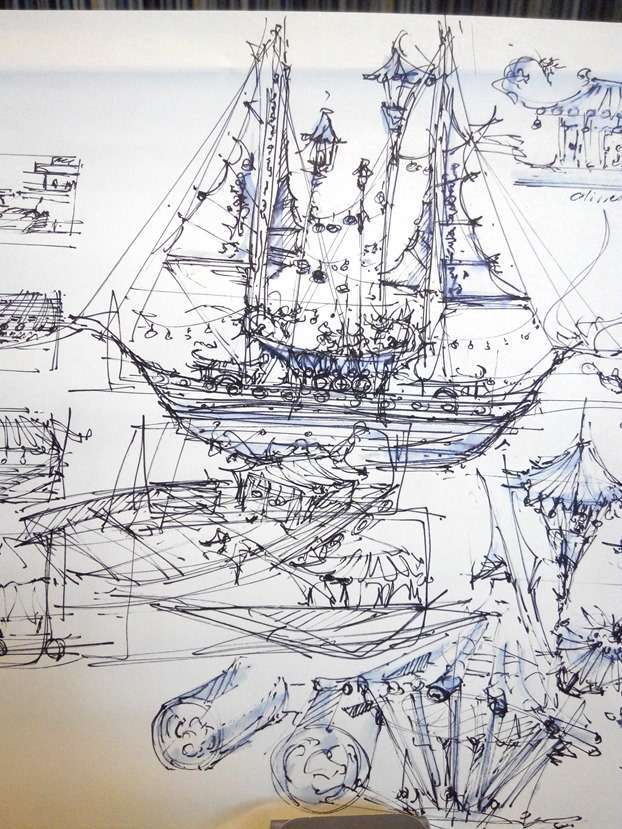
Science and technology continually reshape our world, and design thrives by blending these breakthroughs with dreaming.
4. Capture Your Ideas Immediately—They’re Precious
Creative flashes come and go quickly. When a “What if” hits you, stop everything and sketch or write it down immediately. Don’t wait for perfect conditions; your notebook or phone is your creative lifeline.
The best designs often start as simple notes or rough doodles inspired by a curious question.
5. Share Your Wild Ideas—Creativity Grows in Community
Sometimes your ideas may seem “crazy” to others. Embrace that. Being a dreamer means you’re pushing boundaries, and that’s where innovation lives.
Sharing your thoughts with friends, fellow designers, or right here on The Design Sketchbook community invites feedback and sparks even more creativity.
6. How to Make “What If” Work for You Every Day
- Start with everyday objects or problems and ask bold “What if” questions.
- Translate those questions into quick sketches or concept notes.
- Challenge your assumptions and rewrite the rules.
- Join creative communities to discuss and refine your ideas.
- Make “What if” a daily practice, fueling your design journey.
7. Final Thoughts: Let Your Curiosity Lead Your Design
“What if” is more than a phrase—it’s your creative compass. It empowers you to move from routine to radical, from expected to extraordinary.
Whenever you feel stuck, turn to your sketchbook and ask: What if? Let this question guide your hand, your mind, and your heart to new heights of design innovation.
Related Articles











7 comments